Instagram LinkedIn YouTube

2026 ECS Texas Section Symposium

ECS - The Electrochemical Society at Texas Tech University

Date & Time

September 18-20, 2026

Friday: 8:00 AM - 5:00 PM

Saturday: 8:00 AM - 6:15 PM

Sunday: 8:00 AM - 11:00 AM

Location

Friday: International Cultural Center (ICC)

601 Indiana Avenue, Texas Tech University

Saturday & Sunday: Livermore Building

Texas Tech University

Lubbock, TX 79409-3603, USA

Event Sponsors

Poster Assignments

Find your poster number below, then check in with the staff in the poster area. They will help you hang your poster with tape.

Biosolids & Nutrient Recovery P-01 - P-06

  • P-01Semi-Empirical Study of Biosolids Electrolysis for Nutrient RecoveryJiedan Adi, Christian E. Alvarze-Pugliese, Gerardine G. Botte, Texas Tech University
  • P-02Sludge Electrolysis Using Nickel-Based ElectrocatalystEhsan Abbasi, Christian Alvarze-Pugliese, Gerardine G. Botte, Texas Tech University
  • P-03Electrochemical Dewatering of Biosolids SlurryManjireh Kleinnet, Reed Muller, Jiedan Adi, Gerardine G. Botte, Texas Tech University
  • P-04From Biosolids to Nano-Hydroxyapatite: Electrochemical Phosphorus Mobilization and Colloid-Facilitated NucleationZainab Faqeer, Gerardine G. Botte, Texas Tech University
  • P-05Designing Hybrid Gas Adsorbents with Enhanced Ammonia Selectivity and Capacity through Surface FunctionalizationDaniel Fayson, Juan Carlos Munoz, Bhazan Jafari, Gerardine G. Botte, Texas Tech University
  • P-06Electrochemical Transformation of Residual Organic Carbon to Value-Added Gaseous ProductsRudrika Bhagal, Evandhi Rahman, Nidiyah Gouan, Gerardine G. Botte, Texas Tech University

Electrocatalysis & Interfaces P-15 - P-18

  • P-15Experimentally Validated COMSOL Simulation of Ammonium Desorption from ZeoliteLi Jia, Beconya Yul, Juan Carlos Munoz, Luengles Bertel, Delton Moreno, Rodrigo A. Hernandez, Mitchy Duy Phan, Jennifer Gomez-Perlaza, Texas Tech University
  • P-16How Applied Potential Governs Propylene Epoxide Kinetics on Rutile Metal OxidesPrincess Yiadom, Joseph Gauthier, Texas Tech University
  • P-17Active Learning for the Systematic Identification of Three-Dimensional Metal-Organic Framework Candidates with Low Band GapCarlos Guerrero Navarro, Maryam Gholi, Perla B. Balbuena, Texas A&M University
  • P-18Hybrid Physics-Informed Data-Driven Modeling of Electrochemical Sludge ReactorKaden Schreiner, Texas Tech University

PFAS, Water & Inorganic Treatment P-07 - P-12

  • P-07Machine Learning Based Electrochemical Low-Level Detection of PFAS in Drinking WaterSonja Michaluk, Gerardine G. Botte, Texas Tech University; CASFER NSF ERC
  • P-08Investigating the Effect of Initial Solution pH on PFOA Electrochemical Removal at a Copper ElectrodeFrancisco Perez Castro, Justin Kelley, Sergio A. Arias, Gerardine G. Botte, Texas Tech University; CASFER
  • P-09Effect of Initial PFOA Concentration and Current Density on Electrochemical Reduction at Neutral pHJustin Kelley, Sergio A. Arias, Evandhi Rahman, Gerardine G. Botte, Texas Tech University
  • P-10Electroconductive PTFE Membranes for Joule-Heating-Driven Ammonia VolatilizationSalma F. Khan, Yusin Bhaz Jafari, Nidiyah Gouan, Gerardine G. Botte, Texas Tech University
  • P-11Evaluation of Ammonia Volatilization from E-GROW/Urea and Raw Sludge/Urea Using Air StrippingAmir Safikhani, Daniel Faye, Gerardine G. Botte, Texas Tech University
  • P-12Electrochemical Sensing of HIV in SalivaDipa Saha, Gerardine G. Botte, Texas Tech University

Catalysts, Carbons & Interfaces P-19 - P-24

  • P-19A Closed-Loop Autonomous Platform for Machine Learning-Guided Electrocatalyst Optimization for Ammonia ElectrolysisAlejandro Gutierrez-Carillo, Gerardine G. Botte, Texas Tech University
  • P-20Optimizing MXene-Based Electrodes for Point-of-Need Ammonia FuelLaura Houghton, Jonathan Hofstadter, Texas A&M University
  • P-21Unlocking Coal's Value: Electrochemical Pathways to Functional Carbons and Chemical FeedstocksMD Sumon Miah, Gerardine G. Botte, Texas Tech University
  • P-22Confocal Raman Microspectroscopy for In Situ Investigations of Redox Transformations in Organic Mixed Ionic-Electronic Conductor (OMIEC) MaterialsHervey Ram Sarker, Tahmida Alami Ohy, Robert Pooja, Josh Carlos Korzena, Texas Tech University
  • P-23Infrared Spectroscopy as a Probe of Ionomer-Electrocatalyst Interfaces: Effects of Retained Water and Optical DispersionNishani Supun Wijerasinghe, Carol Korzeneiski, Texas Tech University, Chemistry and Biochemistry
  • P-24Depth-Resolved ATR-FTIR Spectroscopy for Detection of Pectin-Catalyst Layers in Intact Water Electrolyzer Membrane Electrode AssembliesLahiru Pasun-Hannadige, Carl Korzeniewski, Texas Tech University

Modeling & Simulation P-13 - P-14

  • P-13Modeling and Simulation of Carboxylate Separation in Capacitive Deionization SystemsSada Sabarin, Lauren Valentino, Mertin Ugrin-Dermitas, Chao-Chyun Chen, Texas Tech University
  • P-14Magnetically Enhanced CO₂ Electroreduction into High-Added Value ProductsRodrigo A. Hernandez, Jose Antonio Barca, Cristina Gonzalez-Fernandez, Guillermo Diaz-Sainz, Jennifer Gomez-Pastora, Texas Tech University

Batteries & Energy Storage P-25 - P-29

  • P-25High Voltage Li-Ion BatteriesDrew Kolega, Texas A&M University
  • P-26SEI Formation in Water-in-Salt Hydrogel ElectrolytesBenjamin Gregory, The University of Texas at San Antonio
  • P-27Conductive Fabric Current Collectors in Silicon-Based Lithium-Ion Battery ActuatorsAustin Herrod, The University of Texas at San Antonio
  • P-28First-Principles Investigation of CNT-Cu Interfaces and Ion-Iiquid Interactions for Lithium-Metal BatteriesHafsa Ashraf, Jorge Seminario, Texas A&M University
  • P-29Machine-Learned Interatomic Potentials for Sulfurized Polyacrylonitrile Cathodes in Lithium-Sulfur BatteriesYuvraj Soni, Perla B. Balbuena, Texas A&M University


Distinguished Speakers

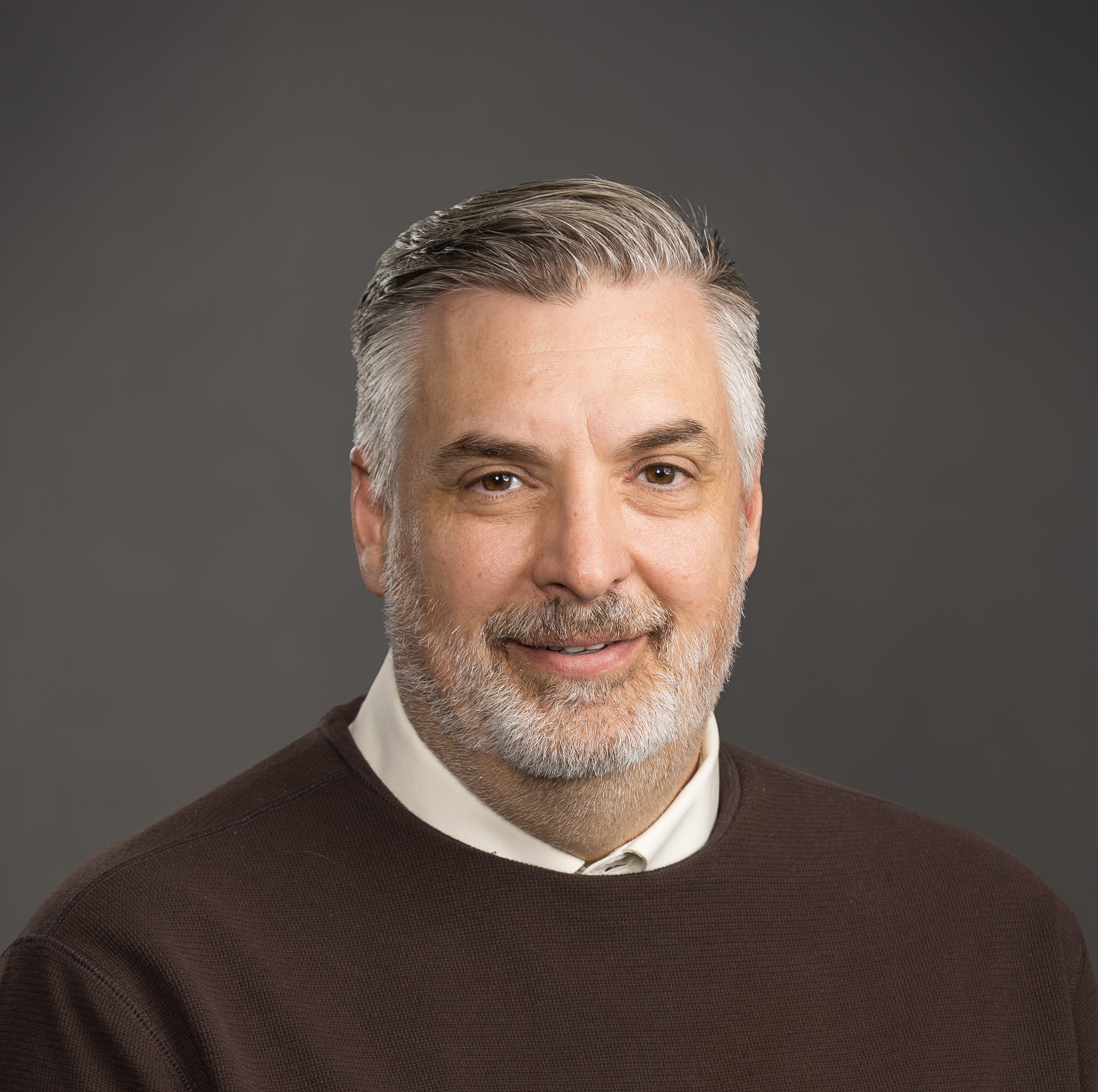
Dr. Gerardine Botte

Dr. Gerardine Botte

Professor & Whitacre Endowed Chair
Texas Tech University

Experience Area: Electrochemical engineering, sustainable energy conversion, hydrogen production, batteries, and circular economy process intensification. Founder and Director of CASFER (NSF Engineering Research Center) and the Institute for Sustainability and Circular Economy.

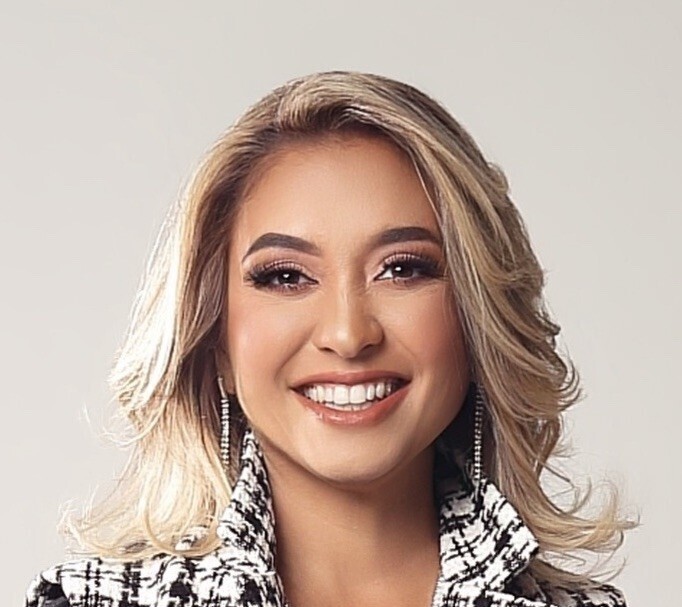
Dr. Sergio Garcia Segura

Dr. Sergi Garcia Segura

Assistant Professor
Arizona State University

Experience Area: Water treatment, advanced oxidation processes, electrochemical and photoelectrochemical technologies, heterogeneous catalysis, and sustainable materials development for environmental engineering applications.

Dr. Lane Baker

Dr. Lane A. Baker

Professor & Department Head
Texas A&M University

Experience Area: Electrochemical measurement and instrumentation, Scanning Ion Conductance Microscopy (SICM), single-entity electrochemical analysis, and nanoscale surface characterization for analytical chemistry.

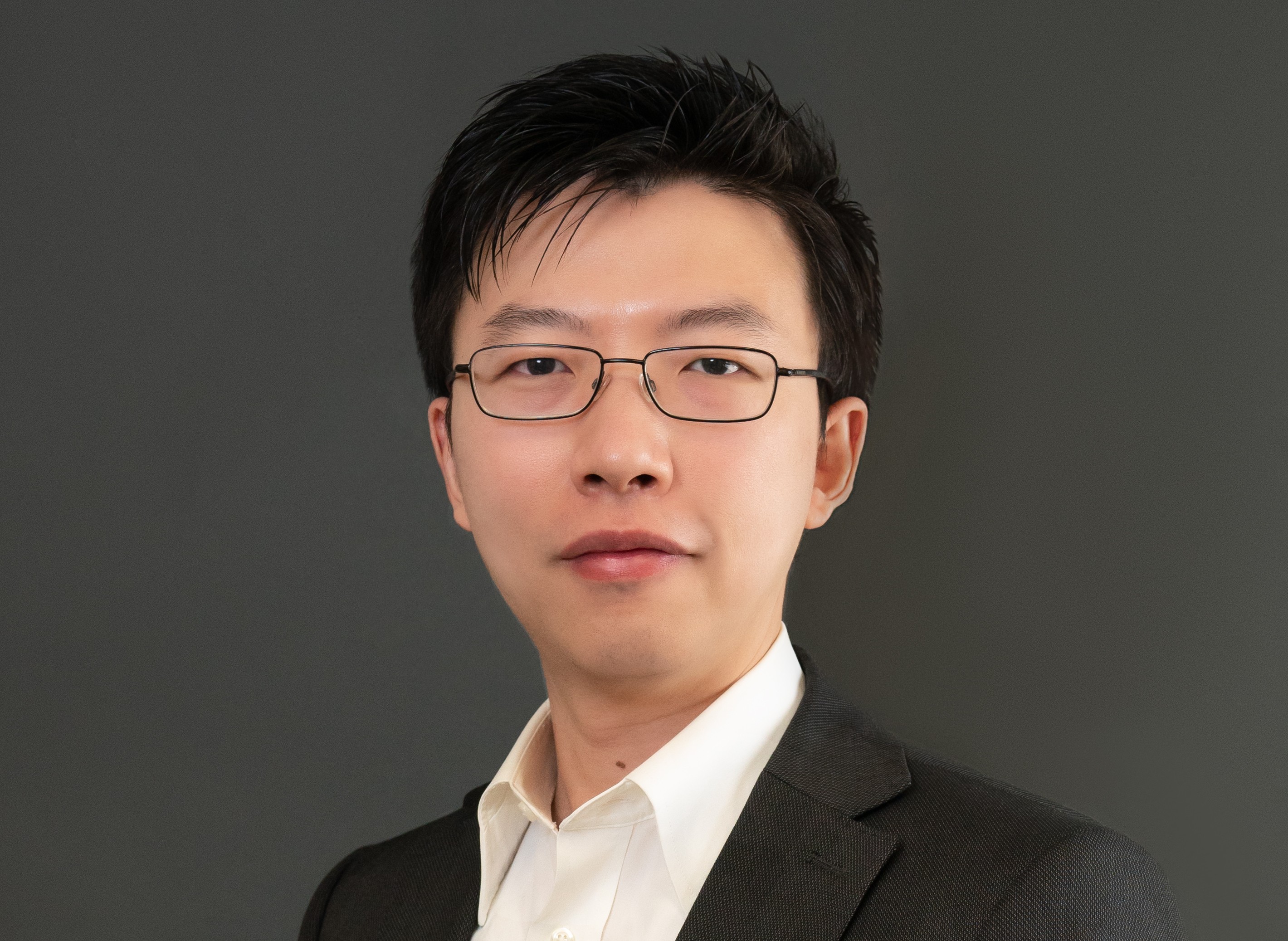
Dr. Yuanyue Liu

Dr. Yuanyue Liu

Associate Professor
University of Texas at Austin

Experience Area: Computational materials science, atomistic modeling, 2D materials, charge transport, and electrochemical applications for next-generation electronics and energy systems.

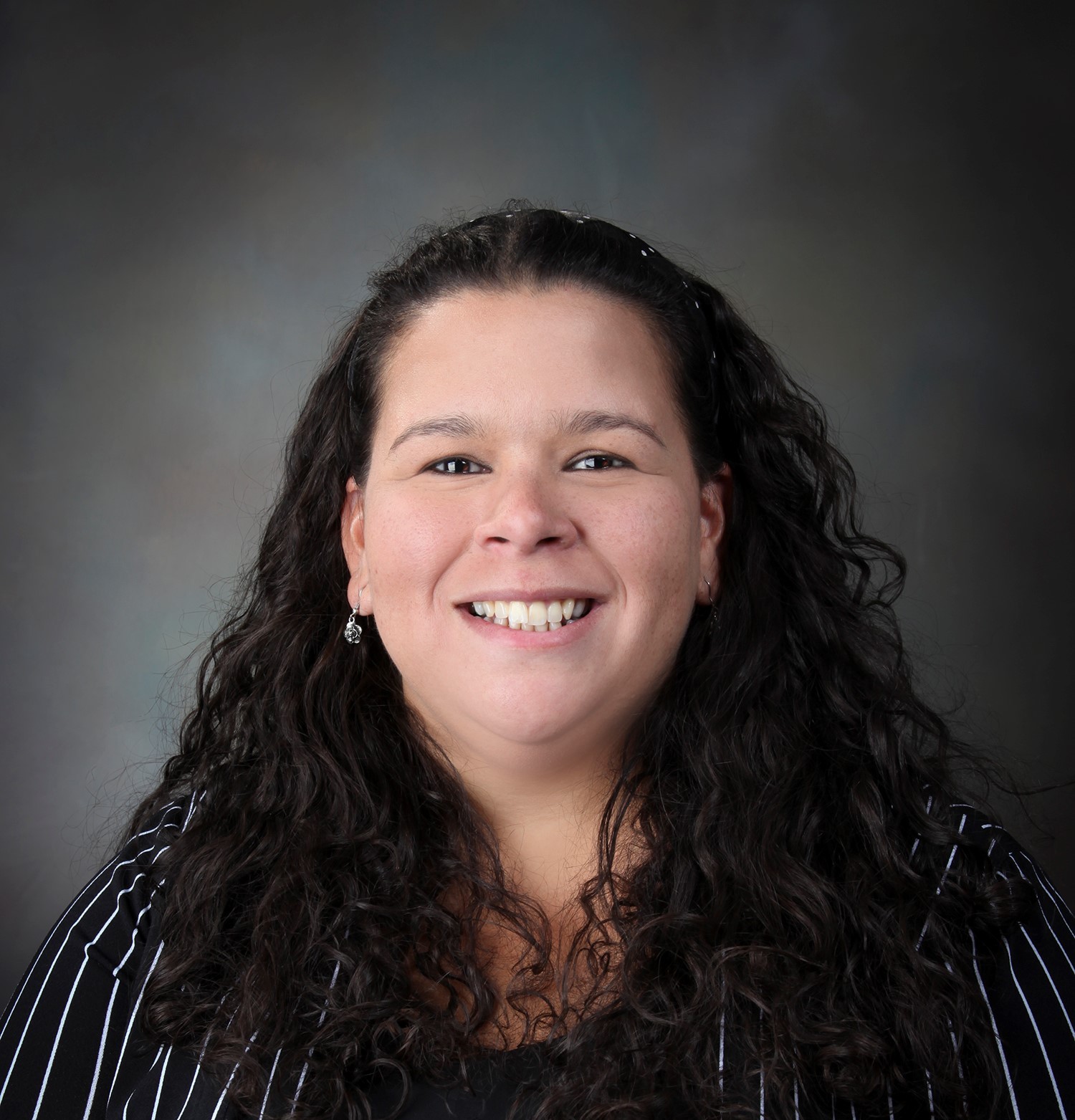
Dr. Loraine Torres-Castro

Dr. Loraine Torres-Castro

Researcher
Sandia National Laboratories

Experience Area: Lithium-ion battery safety, abuse testing, and vehicle electrification.

Register Here

Scan the QR code to RSVP for the symposium.

QR code for symposium registration form Open Registration Form

Event Itinerary

Friday, September 18, 2026 - International Cultural Center (ICC)
Time Activity
08:00 Continental Breakfast
08:30 Welcome and Introductions
08:45 Lecture 1: EIS Fundamentals and Theory
Dr. Alex Peroff
10:00 Break
10:15 Lecture 2: EIS Applications and Circuit Fitting
Dr. Yaguang Zhu
11:30 Lab Safety, AfterMath Demo EIS Circuit fitting
Dr. Alex Peroff
12:00 Lunch
13:00 EIS Lab
15:00 Data analysis and circuit fitting
16:00 Flash Presentations
17:00 Conclusion of workshop with Q&A
Saturday, September 19, 2026
Time Activity
08:00 - 08:45 Breakfast
08:45 - 09:00 Opening Remarks
09:00 - 10:30 Poster competition
10:30 - 11:30 Unconventional Electrolysis for Hydrogen Production and Circular Economies
Dr. Botte
11:30 - 12:30 Electrified water treatment at the food-water nexus and beyond
Dr. Garcia Segura
12:30 - 13:30 Lunch / Industry Booth
13:30 - 14:30 High(er) Throughput Electrochemistry
Dr. Baker
14:30 - 15:30 Machine Learning Electrochemical Interface
Dr. Yuanyue Liu
15:30 - 16:00 Industry Booth/ TestBed / Break
16:00 - 17:00 Rethinking Battery Safety With Strategies for Early Risk Mitigation
Dr. Torres Castro
17:15 - 18:15 Networking / Social event
Sunday, September 20, 2026
Time Activity
08:00 - 09:00 Breakfast
09:00 - 09:45 Kahoot Competition
10:00 - 10:30 Coffee Break / Test bed tour / Industry Booth*
10:30 - 11:00 Awards and Closing Remarks

Plenary Talks

Meet the symposium plenary speakers and explore the research behind each featured presentation.

Dr. Gerardine G. Botte
Plenary Speaker 01

Dr. Gerardine G. Botte

Professor and Whitacre Endowed Chair in Sustainable Energy

Founder and Director, Institute for Sustainability and Circular Economy; Founder and Director, CASFER, an NSF Engineering Research Center; Texas Tech University

Talk Title

Unconventional Electrolysis for Hydrogen Production and Circular Economies

Abstract

Water is rarely the most efficient molecule to electrolyze for hydrogen. For two decades my group has pursued unconventional electrolysis of waste and low-value streams: ammonia, urea, sewage sludge, and coal. Their potentials lie far below water splitting, so hydrogen costs a fraction of the electrical energy while the anode remediates a pollutant, recovers a nutrient, or valorizes a carbon resource: hydrogen as one product of a circular process, not the sole objective.

The first stream is ammonia, which dominates the lecture: a carbon-free carrier and pervasive wastewater contaminant. Its theoretical potential is twenty five times lower than water electrolysis, but demands control of the ammonia oxidation reaction - from mechanism to a 3,000 cm2 bipolar electrolyzer near net energy-positive operation. Nickel-catalyzed urea electrolysis turns human and animal waste into hydrogen and clean water.

The second stream is coal: electrolysis gives pure hydrogen and a modified carbon for fuels, nanomaterials, and rare earth recovery. Both converge in CASFER, our NSF Engineering Research Center developing modular, electrified technologies for a nitrogen circular economy across energy, water, and food.

Dr. Sergi Garcia-Segura
Plenary Speaker 02

Dr. Sergi Garcia-Segura

Associate Professor, School of Sustainable Engineering and the Built Environment

Arizona State University; Deputy Director, ASU Water Institute

Talk Title

Electrified water treatment at the food-water nexus and beyond

Abstract

The transition toward sustainable and decentralized water treatment requires technologies that can achieve efficient contaminant removal while minimizing chemical consumption, energy demand, and secondary waste generation. Electrochemical processes offer a unique opportunity in this regard because they can generate reactive species, drive selective transformations, and recover valuable resources directly from water using electrons as the primary reagent. However, translating electrochemical chemistry into practical water treatment requires simultaneous control of electrode materials, reaction pathways, mass transport, and reactor architecture.

In this presentation, we will discuss recent advances from our research group in the development of electrochemical technologies for water treatment including nitrate reduction and other advanced applications in gas-starving systems. Particular emphasis will be placed on the engineering of electrode-water interfaces and electrochemical reactors to control selectivity and treatment performance. We will also discuss emerging approaches that couple electrochemical processes with gas-liquid interfaces and nanobubbles to enhance mass transfer and reaction efficiency. The presentation will highlight the importance of integrating electrochemical reaction engineering, materials design, and reactor-scale transport phenomena to develop the next generation of sustainable water treatment technologies.

Dr. Lane A. Baker
Plenary Speaker 03

Dr. Lane A. Baker

Dr. Carl D. McAfee '90 Chair in Analytical Chemistry; Department Head, Chemistry

Texas A&M University

Talk Title

High(er) Throughput Electrochemistry

Abstract

Advances in electrochemistry, and in particular electroanalytical chemistry, are driven by advances in the tools and methods used to perform electrochemical measurements. One area we currently seek to advance is high-throughput electrochemical measurements. We will describe recent results based on serial and "parallel" measurements, with a focus on a scalable high-throughput electrochemistry platform in a conventional 96-well format - a tool we colloquially call "Legion." We will highlight its operation, performance and applications for materials synthesis and electro-organic chemistry, and consider future challenges and directions.

Dr. Yuanyue Liu
Plenary Speaker 04

Dr. Yuanyue Liu

Associate Professor, Department of Mechanical Engineering and Texas Materials Institute

The University of Texas at Austin; Temple Foundation Endowed Faculty Fellowship No. 1

Talk Title

Machine Learning Electrochemical Interface

Abstract

The electrochemical interface is of fundamental scientific interest and technological importance, but accurate atomic-level simulation remains challenging due to the need for many atoms and extensive sampling. In this talk, I will present a universal machine learning model to address this challenge. Beyond accurately predicting energies and forces, our model also predicts charge and potential distributions, Fermi level and electronic band structure for varying numbers of electrons, and can perform constant-potential / grand-canonical simulation. Our work provides a powerful tool to simulate the electrochemical interface at the atomic level.

Dr. Loraine Torres-Castro
Plenary Speaker 05

Dr. Loraine Torres-Castro

Battery Safety Lead, Vehicle Electrification and Grid Energy Storage

Sandia National Laboratories

Talk Title

Rethinking Battery Safety With Strategies for Early Risk Mitigation

Abstract

Battery safety is a major challenge for the widespread use of advanced energy storage technologies. Although new chemistries such as all-solid-state batteries are often expected to be safer than conventional lithium-ion systems, they can introduce different failure pathways and hazards. In this seminar, I will discuss the importance of evaluating battery safety early in development using a combination of calorimetric experiments and mechanistic interpretation across multiple length scales, and highlight how these approaches reveal thermal failure mechanisms, identify risks missed by conventional testing, and support safer design of next-generation battery systems.

Venue and Parking

Friday sessions will be held at the International Cultural Center (ICC). Saturday and Sunday sessions will be held at the Livermore Building. Use the maps below for the venues, and the parking resources from Texas Tech Transportation & Parking Services to plan your arrival.

Friday: International Cultural Center

International Cultural Center (ICC)
601 Indiana Avenue
Texas Tech University
Lubbock, TX 79409

Saturday & Sunday: Event Location

Livermore Building
Texas Tech University
Lubbock, TX 79409-3603

Visitor Parking Options

Texas Tech Transportation & Parking Services lists several official visitor parking areas. The closest options to the symposium are the visitor locations near the engineering and science buildings.

  • Engineering Key visitor parking
  • R08 Lot at the center of the Math, Chemistry, and Science Buildings
  • Flint Ave Garage visitor parking
  • R11 Lot south of the Student Union Building

Event Sponsors